
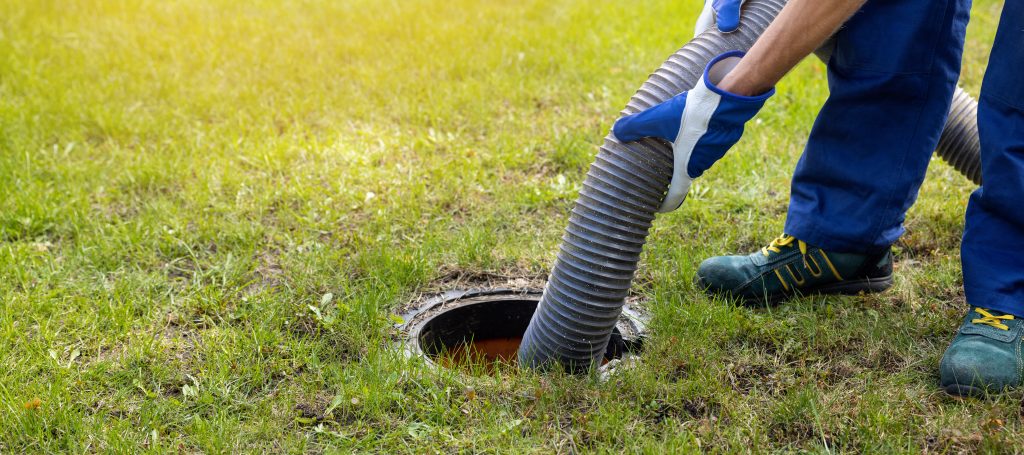
Your septic system usually gives you warning signs before a minor maintenance issue turns into a messy backup. Slow drains, gurgling pipes, standing water, and sewage odors can indicate your tank is due for pumping or that a larger septic problem is developing. Knowing what to watch for can help you address the issue before wastewater backs up into your home.
How to Tell When Your Septic Tank Needs Pumping
How can you tell if a septic tank is full? Several warning signs can indicate that your system needs attention, including multiple slow drains, gurgling plumbing, sewage odors, wet areas near the septic system, unusually green grass, or sewage backing up into the house.
1. Your drains are getting slower
Multiple slow drains throughout the house can be a sign that your septic tank is getting too full. A single slow sink usually points to a local clog, but several fixtures draining slowly at the same time are more concerning.
Pay attention if several drains that normally work fine start slowing down, especially if the change is new.
2. Your pipes are gurgling
Gurgling sounds from toilets, sinks, or drains can mean air and wastewater aren’t moving through the plumbing normally. You may notice them after flushing, showering, or running a large load of laundry.
A plumbing blockage or a full septic tank can cause similar sounds. If gurgling happens alongside slow drains or other septic symptoms, have the system checked.
3. You have standing water or soggy ground near the tank
Soggy ground over or near your septic tank or drain field can indicate that wastewater isn’t being absorbed properly. A full tank can push wastewater toward the surface, but a saturated or damaged drain field can do the same.
A wet patch that appears after several days of heavy rain may simply be a landscape drainage issue. A wet area that stays around after the weather dries out is worth having inspected.
4. You notice a sewage smell
A strong or persistent sewage smell around your tank, drain field, or plumbing is a sign that something isn’t working properly. A full tank is one possible cause, but odors can also come from problems with the drain field, plumbing, or ventilation.
Notice where you smell the odor. If it’s in the yard near the drain field or septic tank, it’s more likely related to the septic system. A smell inside the house may have a different cause, but a professional should still investigate it.
5. Sewage is backing up into the house
Sewage backing up into the toilet, sink, shower, or bathtub means your septic system needs immediate attention. A tank that’s too full can cause a backup, but blocked lines, damaged components, and drain field problems can also be responsible.
If sewage backs up into your home, don’t keep using water and hope the problem will clear itself. You need emergency plumbing services. Avoid flushing toilets, running the washing machine, or taking long showers until a professional can check your system.
6. You can’t remember the last time your tank was pumped
If you can’t remember when your septic tank was last pumped, it’s probably time to schedule routine service, even if the system appears to be working normally. Many residential tanks need pumping every three to five years, but the right schedule depends on tank size, household size, water use, and the amount of solids entering the system.
A household with heavy water use or a garbage disposal may need more frequent service, while a smaller household with a larger tank may be able to go longer.
If you’ve recently bought a home with a septic system and don’t know when the tank was last pumped, check the property’s septic records before scheduling service. Whatcom County keeps septic system records online, including Reports of System Status, which can help homeowners check a property’s maintenance history.
When Does a Septic Tank Need More Than Pumping?
Pumping removes accumulated solids from a full septic tank, but it won’t fix a damaged drain field, blocked line, broken baffle, clogged filter, or failing pump.
The Washington State Department of Health identifies sewage backing up into a structure and sewage surfacing on the ground as signs of septic system failure. In these cases, pumping alone may not solve the problem. An inspection can help identify the cause and determine what your next steps should be.
What to Do If Your Septic Tank Needs Pumping
If you notice signs that your septic tank is full, reduce water use and schedule service before the problem worsens.
- Schedule pumping if the tank is due for service. A routine pump-out can help prevent a full tank from progressing to a backup.
- Use less water while you wait for service. Spread out showers, laundry, and other high-water activities instead of sending a large volume of wastewater into the system at once.
- Ask about the tank’s condition. Have the technician check the baffles and note the sludge and scum levels. Keep those numbers with your service records for future maintenance.
- Keep a record of the service. Write down the date and any notes about the tank, so you know when it was last pumped.
Is Your Septic Tank Ready for Pumping? Call Lil John Sanitary Services
Slow drains, gurgling pipes, sewage odors, wet ground, and an overdue pump-out can all signal that your septic system needs attention. If you’re seeing one or more of these signs, or you simply can’t remember the last time your tank was serviced, Lil John Sanitary Services provides septic pumping and inspection throughout Whatcom and Skagit counties.
Call 360-398-9828 or schedule a service visit online to have your septic system checked.
Common Questions About Septic Tank Pumping
Can I pump my own septic tank?
Washington requires septic pumpers to be approved by the local health department, and pumped septage must go to an approved treatment or disposal site. Septic pumping also requires the right equipment and proper handling of the material removed from the tank.
How often should a septic tank be pumped?
Most residential septic tanks need pumping every three to five years. The right schedule depends on tank size, household size, water use, and how much solid waste enters the system. Homes with heavy water use or regular garbage disposal use may need service more often.
Will pumping fix slow drains for good?
Pumping can fix slow drains when a full septic tank is causing the problem. If your drains are still slow after pumping, the cause could be a clogged filter, blocked line, or drain field problem that pumping alone won’t fix.
Does a garbage disposal make a septic tank fill up faster?
Regular garbage disposal use can add more solids to the septic tank and may mean more frequent pumping. If you use one regularly, mention it to your septic service provider when discussing your maintenance schedule.
Should a septic tank smell outside?
A properly functioning septic system shouldn’t produce a strong or persistent sewage odor outside. A brief smell after heavy rain can happen, but a recurring or noticeable odor should be checked, especially if you also have slow drains, wet ground, or other signs of a septic problem.